
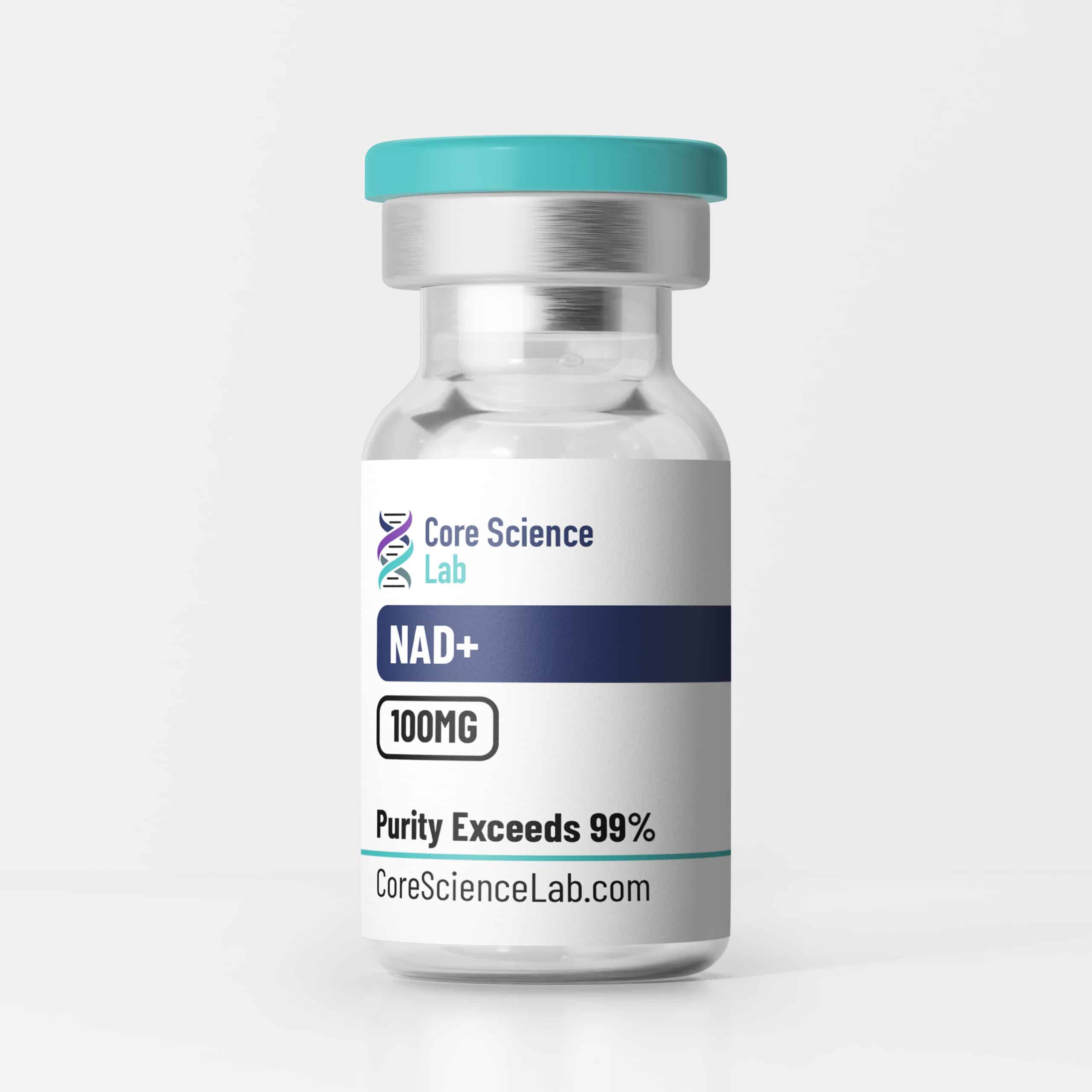
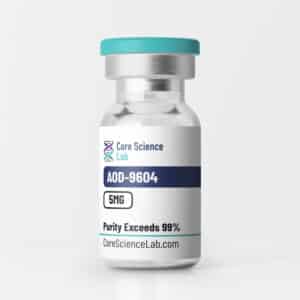
High-purity, lyophilized small molecule inhibitor of Nicotinamide N-methyltransferase (NNMT), characterized for research applications involving NAD+ salvage pathway modulation and metabolic flux analysis.
Trust & Quality Verification
Purity Standard
Verified Analysis
Available
Shipping
5-Amino-1MQ (5-amino-1-methylquinolinium) is a synthetic, small-molecule research reagent chemically distinct due to its specific affinity for the cytosolic enzyme Nicotinamide N-methyltransferase (NNMT). NNMT is a pivotal regulator in cellular metabolism, responsible for catalyzing the methylation of nicotinamide (NAM) using S-adenosylmethionine (SAM) as a methyl donor. By selectively inhibiting this enzymatic activity in experimental models, 5-Amino-1MQ allows researchers to investigate the preservation of the intracellular NAD+ salvage pathway.
Unlike general metabolic modulators, 5-Amino-1MQ is membrane-permeable, facilitating its utility in complex cellular assays. It is widely utilized in laboratory settings to study the downstream effects of elevated intracellular NAD+ and SAM levels, particularly regarding sirtuin (SIRT1) activation, mitochondrial biogenesis, and the epigenetic regulation of metabolic gene expression. This product is supplied in a lyophilized powder format, a process that removes water content under vacuum to ensure optimal molecular stability during transport and storage.
Chemically, 5-Amino-1MQ is characterized by a quinolinium core structure which facilitates its interaction with the NNMT active site.
| Property | Specification |
| Molecule Name | 5-Amino-1MQ |
| Synonyms | 5-amino-1-methylquinolinium; SCHEMBL6403148; STL196667 |
| PubChem CID | 950107 |
| Molecular Formula | C10H11N2 |
| Molecular Weight | 159.21 g/mol |
| Form | Lyophilized Powder |
| Purity | ≥99% (Verified via HPLC) |
| Solubility | Soluble in water and organic solvents (refer to SDS) |
| Documentation | COA and SDS available per lot |
5-Amino-1MQ is strictly for laboratory research and is commonly employed in the following investigational areas:
NAD+ Salvage Pathway Characterization
Research indicates that NNMT activity drains the available pool of nicotinamide, a precursor for NAD+. 5-Amino-1MQ is utilized as a chemical probe to block this drain, allowing researchers to quantify the subsequent restoration of NAD+ levels and measure the activity of NAD+-dependent enzymes, such as PARPs and Sirtuins, in various cell lines.
Adipocyte Biology and Lipogenesis
In vitro studies utilizing differentiated adipocytes employ 5-Amino-1MQ to observe its impact on lipid accumulation and adipogenesis. Investigations focus on how NNMT inhibition alters the expression of transcription factors related to lipogenesis and fatty acid oxidation, providing data on cellular energy homeostasis and metabolic reprogramming.
Muscle Physiology and Bioenergetics
Experimental models involving myoblasts utilize this compound to study muscle satellite cell proliferation and fusion. Researchers quantify changes in mitochondrial respiration rates and oxidative phosphorylation efficiency to understand the role of the NNMT-NAD+ axis in cellular aging and tissue regeneration signaling.
Oncology and Cellular Proliferation
Elevated NNMT expression is observed in various cancer cell lines. 5-Amino-1MQ is used in oncology research to determine the effects of enzymatic inhibition on tumor cell metabolism, specifically looking at the “Warburg effect” and the methylation potential of the cell, which influences epigenetic progression.
The primary mechanism of action for 5-Amino-1MQ in research settings is the competitive inhibition of NNMT.
Published preclinical literature documents investigations of 5-Amino-1MQ across multiple experimental models:
This material is produced via robust chemical synthesis and supplied as a lyophilized (freeze-dried) powder.
Referenced Citations
RESEARCH USE ONLY
This product is intended strictly for laboratory research use only. It is not for human or veterinary use. It is not intended for diagnosis, treatment, cure, or prevention of any disease. All purchases are subject to our Terms of Service and Purity Guarantee.
No COAs available for this product.
RESEARCH USE ONLY
This product is intended strictly for laboratory research use only. It is not for human or veterinary use. It is not intended for diagnosis, treatment, cure, or prevention of any disease. All purchases are subject to our Terms of Service and Purity Guarantee.
Reviews
There are no reviews yet.