
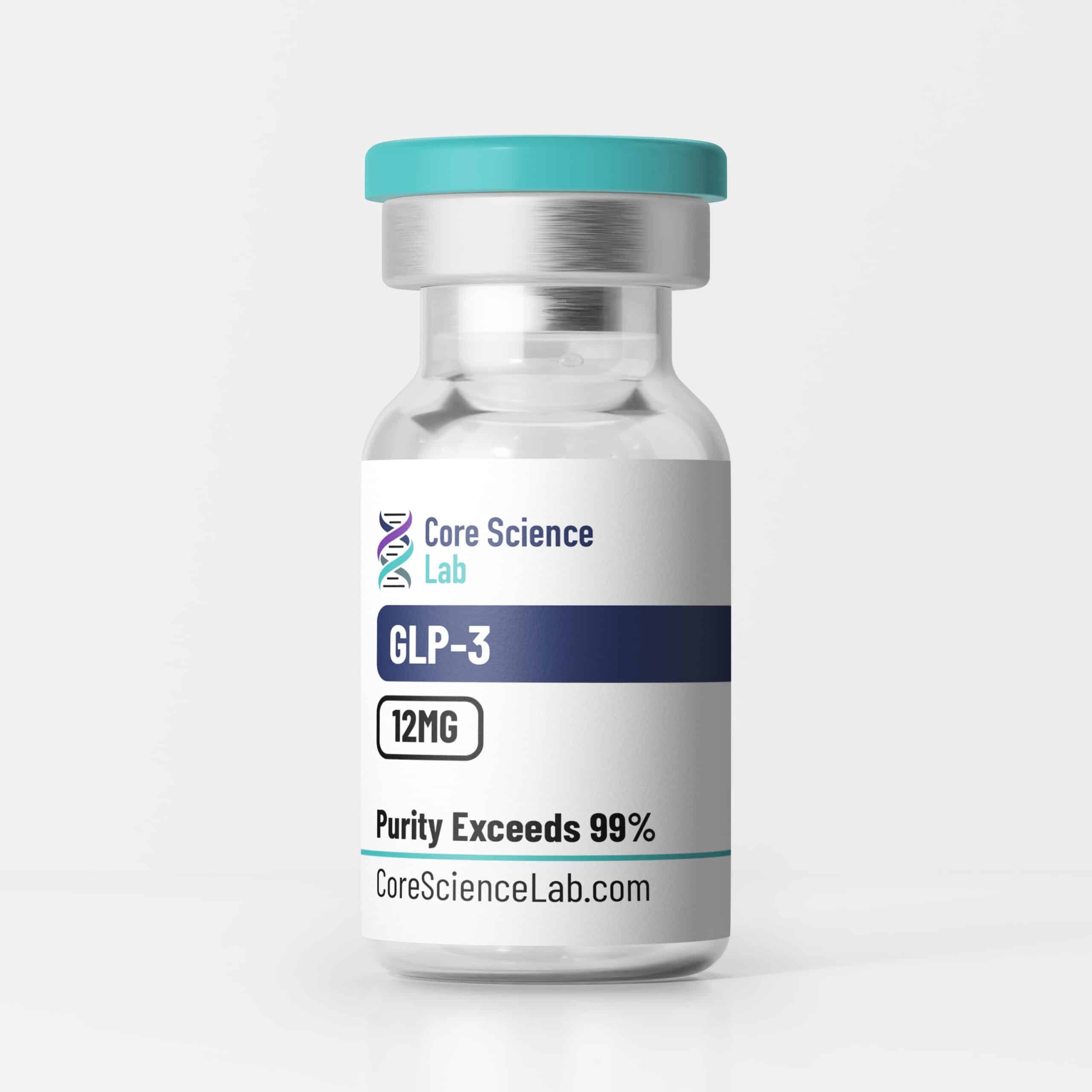
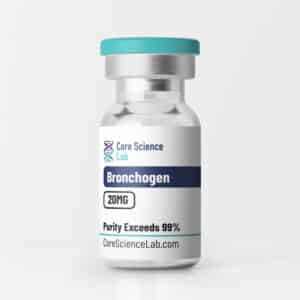
A high-purity, lyophilized synthetic triple-agonist peptide targeting the glucagon-like peptide-1 (GLP-1), glucose-dependent insulinotropic polypeptide (GIP), and glucagon (GCG) receptors. Characterized strictly for research applications involving multi-receptor incretin modulation, metabolic flux analysis, and cellular energy homeostasis pathways.
Trust & Quality Verification
$120.00
Out of stock
Purity Standard
Verified Analysis
Available
Shipping
GLP-3 is a synthetic, multi-target research peptide engineered to simultaneously act as an agonist at three critical metabolic receptors: GLP-1, GIP, and Glucagon. In the field of experimental pharmacology, unimolecular triple agonists are utilized to investigate the synergistic effects of combining incretin signaling (GLP-1 and GIP) with glucagon receptor activation.
While single or dual agonists primarily address glucose-dependent insulinotropic pathways and delayed gastric emptying, the addition of glucagon receptor agonism allows researchers to study enhanced lipolysis, increased hepatic fat oxidation, and elevated resting energy expenditure in isolated models. This compound is widely utilized in laboratory settings to map the complex downstream effects of multi-receptor engagement, particularly regarding metabolic reprogramming, cellular substrate utilization, and resistance to lipotoxicity.
Biochemical Characteristics
Chemically, this triple agonist is designed with a specific amino acid sequence to interface stably with cell-surface G protein-coupled receptors (GPCRs) across all three incretin and glucagon pathways.
Chemical Properties
| Property | Specification |
| Molecule Name | GLP-3 (Triple Agonist) |
| Synonyms | GLP-1/GIP/Glucagon Tri-agonist; Unimolecular Triple Agonist |
| Form | Lyophilized Powder |
| Purity | ≥99% (Verified via HPLC) |
| Solubility | Soluble in water and organic solvents (refer to SDS) |
| Documentation | COA available per lot; SDS available |
(Note: Exact Molecular Weights and Formulas should be verified per lot COA/SDS).
GLP-3 is strictly for laboratory research and is commonly employed in the following investigational areas:
Multi-Receptor Synergism & Metabolic Flux
GLP-3 is utilized as a chemical probe to study the biophysics of simultaneous GLP-1, GIP, and glucagon receptor activation. Researchers employ this peptide to quantify the synergistic dose-dependent stimulation of intracellular cyclic AMP (cAMP) and the subsequent regulatory effects on glucose-dependent signaling and lipid metabolism.
Hepatic and Adipocyte Bioenergetics
Experimental models involving differentiated adipocytes and hepatocytes utilize this compound to study its dual role in incretin-mediated insulinotropic effects and glucagon-driven lipolysis. Researchers quantify changes in lipid droplet mobilization, hepatic fat oxidation, and energy expenditure rates to understand the broader role of tri-agonism in metabolic homeostasis.
Pancreatic Beta-Cell and Alpha-Cell Crosstalk
In vitro studies employ triple agonists to observe their impact on cellular architecture within pancreatic models. Investigations focus on how GIP and GLP-1 signaling protects beta-cells and stimulates insulin synthesis, while evaluating the opposing/modulatory effects of glucagon receptor engagement on alpha/beta-cell crosstalk.
Pathway / Mechanistic Context
The primary mechanism of action for GLP-3 in research settings involves the targeted, unimolecular activation of three distinct GPCRs.
Preclinical Research Summary
Published preclinical literature documents investigations of unimolecular triple agonists across multiple experimental models for pathway characterization:
Form & Analytical Testing
This material is produced via robust chemical synthesis and supplied as a lyophilized (freeze-dried) powder.
Referenced Citations
References are provided for informational purposes only and are not clinical claims.
RESEARCH USE ONLY
This product is intended strictly for laboratory research use only. It is not for human or veterinary use. It is not intended for diagnosis, treatment, cure, or prevention of any disease. All purchases are subject to our Terms of Service and Purity Guarantee.
No COAs available for this product.
RESEARCH USE ONLY
This product is intended strictly for laboratory research use only. It is not for human or veterinary use. It is not intended for diagnosis, treatment, cure, or prevention of any disease. All purchases are subject to our Terms of Service and Purity Guarantee.
Reviews
There are no reviews yet.